


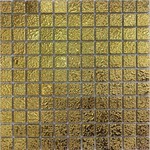
Mosaic Pool Tiles
Haitao is an professional manufactory for mosaic tiles in China. Our factorycover an area of more than 10000 square meters and own 4 manufacturing lines producing a variety of tiles in different sizes and molds. We have 5 production lines, two production bases, the production of a variety of different sizes and molds of ceramic tiles. Over the years with strong and stable production capacity for the world to provide quality products and after-sales service. One of the secrets of our cost-effectiveness is that we consistently produce tiles of the same size for each line. Our product categories include: Glass Mosaic, ceramic Mosaic, Gold Plated Mosaic, Stainless Steel Mosaic, Crystal glaze kiln ceramic Mosaic, stone Mosaic, shaped Mosaic, water knife Parquet, non-slip Mosaic, porcelain Mosaic, antique Mosaic and pool tile. The product size ranging from smallest 10mmx10mm to largest 50x300mm. Besides, we have 6000 square meters warehouse for stocking numerous regular items. We are not only an excellent choice for aboard wholesale importers, but also great for those who loves to try small quantities without MOQ
Why Choose Us?
Fast delivery
Huge production capacity to ensure in time delivery. Complete packaging to ensure products quality, and transport to the destination in the first time.
Rich experience
They have rich experience in all order process steps like packing, loading, transportation, insurance, and customs declaration.
24h online service
They have rich experience in all order process steps like packing, loading, transportation, insurance, and customs declaration.
Quality control
They are follows the principle of the International Swimming Federation (FINA), in accordance with the procedure of point to point quality inspection and control to assure superior product quality.

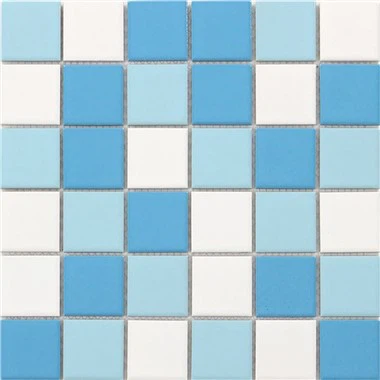


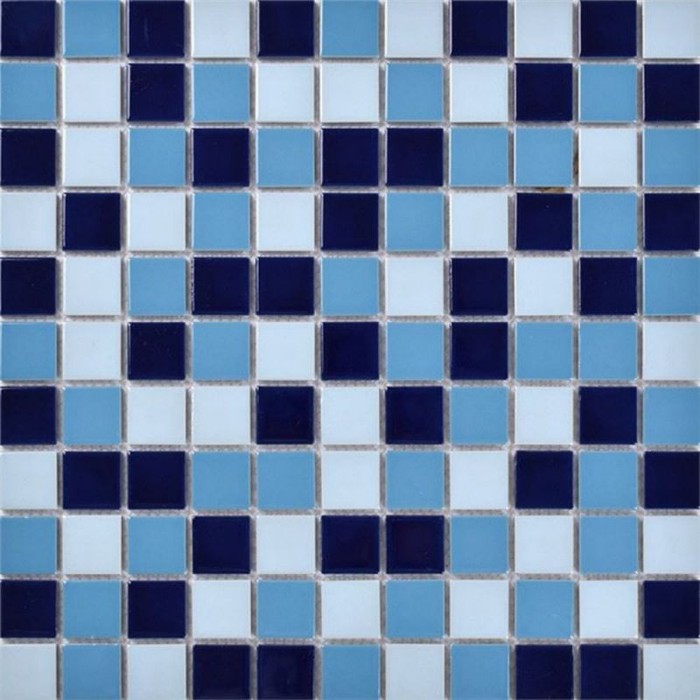
Mosaic pool tile is any spread of tile that takes on a mixed or fragmented look. Unlike conventional pool tile, which is usually one solid color, mosaic tiles come in various shapes and sizes and are often used to create unique patterns both inside and outside the pool.
Benefits of Mosaic Pool Tiles
Long lasting and no fading
Mosaic pool tiles are made of high-quality materials like glass and porcelain. Glass pool tile, in particular, is an excellent outdoor tile, as it's resistant to fading, chipping, and cracking. Porcelain mosaics are durable and can withstand harsh weather conditions like extreme temperatures and heavy rains. Whatever layout you choose, you can rest assured that the tile lasts a long time.
Beautiful designs create infinite possibilities
Swimming pool mosaic tiles offer limitless design possibilities. You can use a variety of vibrant pool tiles to create stunning patterns and shapes.
Going with a mosaic concept doesn't have to mean embracing colorful pool tiles all over. A gorgeous effect can be created with more subtle tones and hues, adding a touch of visual interest that doesn't go overboard.
Affordable
Mosaic tile floor might sound expensive but it isn't! In fact, mosaic tiles are surprisingly affordable – and since they are so strong, you won't have to replace them for years. With the right installation techniques and grout, your mosaic will look stunning without breaking the bank.
Easy to repair and replace
Nothing's worse than having a stunning pool design crack or chip then find out that your tile is no longer available. With mosaic bath and pool tiles, this isn't as much of a problem. Spontaneity and creativity is a key when it comes to mosaics, so you can mix and match tiles or easily replace one individual tile without having to redo the entire area.
Practicality combined with art
Mosaic tiles are great for creating a stand-out feature in your pool, but they're also practical. When it comes to safety concerns such as slip resistance and thermal insulation, mosaic tiles can do the job just as well, if not better.
They'll look new for years
Mosaic tiles are great for creating a stand-out feature in your pool, but they're also practical. When it comes to safety concerns such as slip resistance and thermal insulation, mosaic tiles can do the job just as well, if not better.
Types of Mosaic Pool Tiles
Because of its adaptability and toughness, ceramic pool tiles are popular. These tiles comprise clay, which is heated to a high temperature and then dried, creating a thick, waterproof surface. They provide pool owners with various design possibilities and are available in many colours, patterns and finishes. Ceramic pool tiles are a great option for indoor and outdoor pools, but they might lack sustainability.
Glass tiles are the perfect option for people looking for a premium and visually attractive pool finish. Glass tiles, which come in a variety of hues and patterns, can produce mesmerising underwater reflections, adding a touch of refinement to your pool. Because glass tiles are non-porous and incredibly resistant to chemical deterioration, your pool will stay beautiful for many years. However, if you have pets or kids, then you should think twice before choosing these swimming pool tiles from a safety perspective.
Pool tiles made of porcelain provide the ideal mix between elegance and toughness. They are produced at high temperatures, creating a tile surface that is solid and sturdy. Porcelain pool tiles come in a range of patterns, including stone and wood-look motifs, giving your pool a refined and natural appearance. They are also resistant to frost, stains and fading due to minimal water absorption.
Slate, Travertine and other types of natural stone pool tiles give any swimming pool a classic, natural appearance. They are the leading choice of everyone, from homeowners to architects and we believe they are the most sustainable choice. These swimming pool tiles have a rough surface, improving safety and grip near the pool. Despite being extremely long-lasting and beautiful, stone tiles may need more upkeep than other tiles since they are permeable. To prevent water absorption and discoloration, proper sealing is crucial.
Blue mosaic pool tiles are the most often used tiles in swimming pools. Since they are very adaptable and the colour scheme depicts aqua life and has a calming effect, these tiles are the best choice for this area. Additionally, it accurately reflects the sky's blue hue, giving the area a stunning appearance. If you want to add a pool to your home, you might choose blue mosaic pool tiles with a glossy finish.
There are several hues of blue in the colour wheel, as well as a variety of styles and patterns, all of which can help you give your swimming pool a fun atmosphere. Your swimming pool can seem fashionable by applying monochromes (various tones of the same colour). The only thing left is deciding on the design and patterns you want for your pool.
For above-ground pools, vinyl pool liners are an alternative to conventional tiles. These liners come in a variety of patterns and colours and are constructed of high-quality vinyl material. They offer a smooth surface inside the pool, are inexpensive and are simple to install. However, they may need to be replaced every few years as sharp objects are more likely to harm them.
For pool owners, concrete pool tiles present a flexible and individualised choice. They can be precast into a variety of forms, sizes and designs or poured on location. A cost-effective option to achieve a particular aesthetic is to use concrete tiles, which can be coloured, stamped, or textured to resemble other materials like stone or wood. Routine maintenance and sealing are essential to preserve their longevity and avoid cracks and stains.
Metal pool tiles, including those made of copper or stainless steel, give your pool design a contemporary, industrial feel. They require little care, are long-lasting and are corrosion resistant. Metal tiles can be utilised as borders or accents to go with other tile types, giving a room a sleek and modern appearance.
Thanks to pebble tiles, your pool's surface will have a distinctive and attractive texture. These tiles have a natural and comforting feel underfoot since they are constructed of tiny, smooth pebbles that are embedded in concrete or mesh backing. Pebble tiles are preferred for pool walls and floors because they are long-lasting, beautiful and slip resistant.
Swimming pool areas must always prioritise safety; anti-slip pool tiles are created with this in mind. These tiles frequently contain rubber or rough ceramic elements, which offer superb traction even when wet. Non-slip tiles are perfect for pathways, pool steps and other high-footfall locations to make swimming safer and worry-free.
How to Maintain Mosaic Pool Tiles
Sizing matters
Always choose the pool tiles after considering their sizing ratios. Typically, you shouldn’t select tiles larger than 100 mm because they lack the visual appeal when installed over the curved bottom of the pool. Also, glass tiles in bigger sizes are prone to cracking due to thermal shocks and lack of stability in the center.


Ask about guarantee
Installation of pool tiles is a costly proposition. Hence, you should prefer buying discounted pool tile that comes with a lifetime guarantee. The tile guarantee covers damages and color fading due to constant sun and water exposure.
Color aesthetics
Though the color of your pool tile is a personal choice, you may ask the pool experts to make the right selection. Remember, light-colored tiles add a lighter tone to the pool. It reflects the sun and makes your pool look larger than its actual size. Dark tiles, on the other hand, create a dramatic and mirrored effect that can transform the overall ambiance of your outdoor space.


Maintenance issues
Before the installation of pool tiles, don’t forget to ask about the cleaning and maintenance as well. Over time, tiles will develop scum and other buildups that need proper cleaning. You should know about the cleaning schedules and chemicals required to keep your ceramic, mosaic, glass, and porcelain swimming pool tiles sparkling clean.
Create a budget
Getting the pool tiles needs considerable investment. So, it’s always better to work around a budget. The budget tells the type of pool flooring you can install in your pool. Intricate designs and high-quality materials like glass are pricier than other types of discounted pool tile.


Tile installation
Different methods of installation apply to each type of pool tile. As an ideal approach, follow the tile manufacturer’s instructions. A wrong installation can cause issues with setting and waterproofing of the tiles. As a result, the tiles may crack or have water seepage that slowly disintegrates them from inside.

What is “pool tile”? How is it different?
Your sparkling, sun-bathed swimming pool might not seem like a grueling environment, but consider this: The tile and other surfaces in your swimming pool are outdoors and submerged in water. They’re exposed to the sun and the rain. They come into contact with chlorine and other pool chemicals. And, depending on where you live, they may also have to withstand drastically changing temperatures.
In short, your swimming pool tile has to be ultra-durable. And tile designed for swimming pools will give you the most durable bang for your buck: Pool tile is non-porous and coated with a specially formulated glaze that prevents cracking and fading. The special glaze also makes pool tile water-resistant and easy to clean.
Why “regular” tile isn’t pool tile
One of the biggest points of confusion about the “pool tile vs. regular tile” question is bathroom tile. After all, shower tile comes in decorative designs and colors, and it’s engineered to get wet. Same with the tile on your bathroom walls and kitchen floors.
Is “regular” bathroom or kitchen tile really that different from pool tile?
In most cases, yes. While bathroom tile is designed for some contact with water, it’s not intended to be submerged 24/7. Regular bathroom tile designed for soft lighting and steady, mild temperatures. Same goes for the tile you find in your kitchen or other areas of your home.
Put simply, most “regular” tile isn’t built for outdoor use. It’s more likely to fade, corrode, and crack than purpose-built pool tile -- and that means you’ll have to pay for repairs or replacement sooner.

How To Choose The Right Pool Tile
Determine the part of the pool you want to tile: Waterline, underwater or both
There are two places tiles go in your pool, either the waterline or underwater:
Waterline tiles run along the waterline of your pool and serve as the finishing touch. They are a good design element and make your pool complete. Typically, three inches of the waterline is underwater and three inches are above water.
Inlaid tiles are underwater and recessed in the pool mold. This is so the tiles are equal to the pool’s surface. You will find these tiles on seats, steps, floors, and walls of pools.
Decide your budget
Choosing the right tile for your swimming pool also depends on your overall budget. If you are planning on tiling a larger pool for example, then going for more affordable options such as ceramic pool tiles, might sound like a better option.
Put safety first
A beautifully colored, glossy tile might be attractive but safety comes first. Opting for anti-slip pool tiles is the best option to ensure your family, friends or clients can enjoy the swimming pool without worrying about accidents.
Prioritize tile quality and durability over cost
When it comes to choosing the right pool tile, it’s important to focus on quality instead of price. High-quality tiles are worth the upfront cost because they are durable and low-maintenance, thus they will make your swimming pool last longer and will save you money in the long run.
Compare different pool tile types and materials
The best tiles for swimming pools are those that are made from ceramic, porcelain, stone, and glass.
Choose the right tile size for your pool
Size matters when it comes to choosing pool tiles. Larger tiles can cover up more space but are less stable and may crack over time due to temperature changes. Smaller tiles on the other hand are more break-resistant and can last longer.
Be creative with the pool tile color
Choosing the right tile color will make a big difference in your swimming pool. Bright-colored tiles will make the pool more inviting and vibrant. If you are after a luxury look go for white mosaic tiles that make the pool appear larger and the water look sky blue. Blue is another popular choice; dark blue tiles will turn the water a deep ocean color whereas aqua tiles will give a playful and cheerful vibe to your swimming pool.
What Is The Best Swimming Pool Tile Size?
A glass swimming pool mosaic tile often measures between 2 cm and 5 cm. Ceramic and porcelain are generally sized between 2.3 cm and 5 cm. The maximum size is around 10 cm. If your swimming pool has a curved design or rounded edges where the sides and floor meet, small mosaic tiles are far more successful in accommodating the shape.
Generally speaking, smaller tiles are more adaptable to shapes such as curves as well as being easier to use for detailing. A mosaic made using small glass tiles will therefore usually be the best option in pools, steam rooms, jacuzzis and other areas that incorporate seating into the design, or include curvature in the walls.
Cleaning and Preventing Stains
Regular cleaning is key to preserving the vibrant colors and pristine appearance of your mosaic pool tiles. Here are some tips to keep in mind when cleaning and preventing stains:
Routine cleaning
Use a pool brush or a soft-bristle brush to gently scrub the tiles and remove any debris or dirt that may have accumulated. Regularly clean the waterline to prevent the buildup of scale or mineral deposits.
Chemical balancing
Maintain proper water chemistry by regularly testing and balancing the pool water. This helps prevent the formation of stains caused by imbalanced pH levels or excessive chlorine.
Stain removal
If you notice any stains on your mosaic pool tiles, address them promptly. Use a mild, non-abrasive tile cleaner specifically designed for pool tiles. Avoid using harsh chemicals or abrasive tools that may damage the tiles' surface.
Preventing algae growth
Algae can be a common issue in pools. To prevent algae growth on your mosaic tiles, ensure proper filtration and circulation of the pool water. Regularly shock the pool and use algaecide treatments as recommended.
Handling Repairs and Replacements
Over time, wear and tear or accidental damage may occur to your mosaic pool tiles. Here are some considerations for handling repairs and replacements
DIY repairs
Minor repairs, such as fixing small chips or replacing individual tiles, can sometimes be done as a DIY project. However, it's crucial to ensure you have the necessary knowledge, skills, and materials to carry out the repairs effectively.
Assessing damage
Regularly inspect your pool tiles for any signs of damage, such as cracks, chips, or loose tiles. Addressing issues early can help prevent further damage and costly repairs.
Professional assistance
For extensive damage or intricate repairs, it is advisable to seek professional assistance. Pool tile specialists have the expertise and tools required to handle complex repairs and replacements.
Matching tiles
When replacing damaged tiles, it's important to choose tiles that match the existing mosaic pattern and color scheme. Contact your tile supplier or manufacturer to find suitable replacement tiles.
What’s the Difference Between Pool Tile and Regular Tile?
Pool tiles are specifically designed to be highly resistant to water and moisture. They are manufactured to withstand constant exposure to water, pool chemicals, and fluctuations in temperature without deteriorating or losing their aesthetic appeal. Regular tiles may not have the same level of water resistance and may be more prone to damage or discoloration in a pool setting.
Pool tiles are often designed with a textured or slip-resistant surface to enhance safety and prevent accidents caused by slippery conditions. This is especially important in pool areas where water can create a slippery surface. Regular tiles may not have the same level of slip resistance, making them less suitable for pool applications.
Pool tiles are formulated to resist the effects of pool chemicals, such as chlorine, which are used to maintain water quality. They are less likely to be affected by chemical exposure and maintain their color and integrity over time. Regular tiles may not have the same level of chemical resistance and may be more susceptible to discoloration or damage from pool chemicals.
Pool tiles are designed to be highly durable and withstand the harsh conditions of a pool environment, including exposure to UV rays, water pressure, and temperature changes. They are made to resist cracking, fading, and other forms of damage. Regular tiles may not have the same level of durability and may be more prone to damage in a pool setting.
Pool tiles often come in a variety of colors, patterns, and finishes specifically designed to enhance the visual appeal of a swimming pool. They are available in vibrant colors and unique designs that can create a visually stunning pool area. Regular tiles may have a wider range of options in terms of design and style, but they may not have the same level of customization specifically tailored for pool applications.
FAQ
Q: When do you install a pool mosaic?
Q: What's the difference between screen-printed and handmade pool mosaic tiles?
Q: Do swimming pool mosaics need to be grouted?
Q: Are mosaic tiles good for swimming pool?
Q: How long do pool mosaics last?
Q: How do you waterproof mosaic tiles?
Q: What is the best tile to put around a pool?
Q: Can mosaic tile get wet?
Q: Is it worth it to tile a pool?
Q: Why are mosaics used in pools?
Q: Can you tile your entire pool?
Q: Can you replace pool tile without draining pool?
Q: Do I need to seal mosaic tiles?
Q: What is the best base for outdoor mosaic?
Q: Do you need special adhesive for mosaic tiles?
Q: Is it better to have big or small tiles in a pool?
Q: What is the easiest pool tile to maintain?
Q: What is a popular pool tile?
Q: Is mosaic tile out of style?
Q: Are mosaic tiles difficult to lay?