


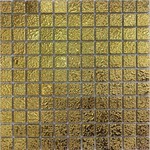
Glass Mosaic Tiles
Haitao is an professional manufactory for mosaic tiles in China. Our factorycover an area of more than 10000 square meters and own 4 manufacturing lines producing a variety of tiles in different sizes and molds. We have 5 production lines, two production bases, the production of a variety of different sizes and molds of ceramic tiles. Over the years with strong and stable production capacity for the world to provide quality products and after-sales service. One of the secrets of our cost-effectiveness is that we consistently produce tiles of the same size for each line. Our product categories include: Glass Mosaic, ceramic Mosaic, Gold Plated Mosaic, Stainless Steel Mosaic, Crystal glaze kiln ceramic Mosaic, stone Mosaic, shaped Mosaic, water knife Parquet, non-slip Mosaic, porcelain Mosaic, antique Mosaic and pool tile. The product size ranging from smallest 10mmx10mm to largest 50x300mm. Besides, we have 6000 square meters warehouse for stocking numerous regular items. We are not only an excellent choice for aboard wholesale importers, but also great for those who loves to try small quantities without MOQ
Why Choose Us?
Fast delivery
Huge production capacity to ensure in time delivery. Complete packaging to ensure products quality, and transport to the destination in the first time.
Rich experience
They have rich experience in all order process steps like packing, loading, transportation, insurance, and customs declaration.
24h online service
They have rich experience in all order process steps like packing, loading, transportation, insurance, and customs declaration.
Quality control
They are follows the principle of the International Swimming Federation (FINA), in accordance with the procedure of point to point quality inspection and control to assure superior product quality.
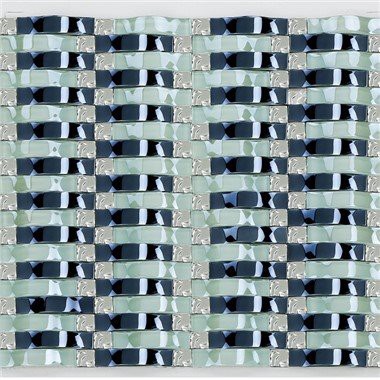


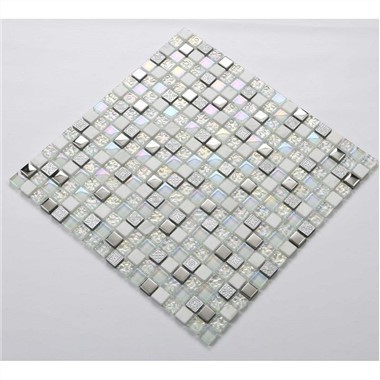


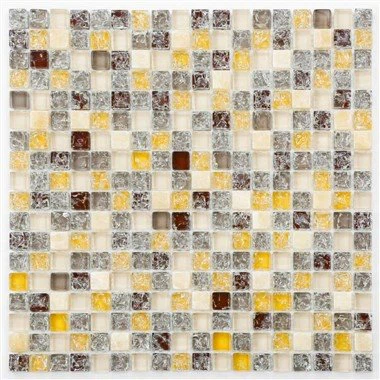
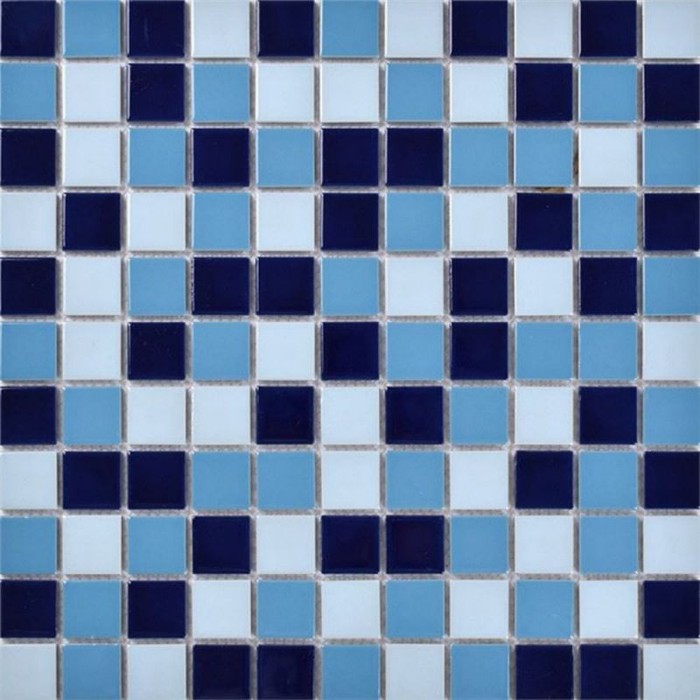
Glass mosaic tiles come in a variety of shapes, sizes, colors & finishes. The vitreous nature of glass allows its use in both indoors and out. Whether you are looking to create a work of art, decorate a pot for the garden or redo your backsplash, glass tile offers flexibility to meet all of your needs.
Benefits of Glass Mosaic Tiles
Probably the biggest benefit of using mosaic glass in a flooring application is the beauty that can be achieved with a proper installation. You have a choice between solid and multicolored tiles, which can then be arranged in simple or intricate patterns. Some stores will also sell repeating patterns, which can be used to create complex pictures and designs.
Glass tiles are resistant to stains, mold, and mildew. They tend to show dirt very easily so you will always know when it's time to clean. They are resistant to chemical damage and they aren’t porous, so you don’t have to worry about grime sinking into the tile. They are also very easy to clean and can be wiped down with a damp cloth or mopped up with warm water. In the case of soap-scum buildup in a bathroom, a mild vinegar solution can be used.
It takes roughly half the energy to produce a glass tile as compared to a ceramic tile of similar size. You also have the option of using recycled glass tiles, which are made from reclaimed glass refuse.
All but the darkest glass tiles will tend to reflect light rather than absorb it. This can make the mosaic pieces seem to glow with a luminous radiance that you can’t find in any other flooring material.
As long as your glass tiles have passed the stringent ASTM standards required to be approved for use as a flooring material, they should be durable and resistant to cracking under anything less than a sharp direct force applied with a hard object such as a hammer.
Types of Glass Mosaic Tiles
Glass pool tiles are available in an assortment of small sizes that are perfectly suited for application to the curves, corners, steps and borders of an indoor or outdoor pool. The tiles are incredibly durable and strong, being able to withstand being exposed to the elements as well as being completely submerged underwater, making glass mosaic tiles the most popular choice for use as a pool tile.
Specific collections of glass tiles and glass mosaic tiles can actually be used to achieve a durable and long lasting floor finish that has proven to be extremely popular in home bathrooms thanks to the smooth and decorative surface finish that provides the added benefit of being simple to keep clean. These varieties are normally a type of enamelled glass.
Glass wall tiles are often more ornate and decorative in comparison to glass floor tiles as there is no need to adhere to safety standards that would dictate the slip resistance of a floor tile.
Glass is a material that can be recycled time and time again, making it an excellent sustainable choice for the home. Recycled glass tiles will feature luscious variations in colour for an exciting patchwork or blended effect in the home.
precautions for product use
There are different ways to produce glass tiles. Each creates a definite effect. We have described the types of mosaic production methods for interested people
There are four primary sorts of glass tile: small, fused, sintered, and cast. Additionally, there are two essential methods of glass surfaces for these mosaics.
Below are slides made with various production methods and some important points about each type.
Small tile
These kinds of tiles are offered in different colors, textures, and shapes. They are manufactured in a significant way as artistic mosaics. "Small" is an Italian word and refers to a glass paste or glaze made from silica melted with sodium or carbonate. Metals are added as stabilizing agents, While in the form of metal oxides (for paint). The paste is fired at very high temperatures, then unrolled into a pancake-like slab that will be up to six inches thick.
Melted tiles
In this method, flat glass (usually floating glass, like glass used on car windshields) is digging tiles shapes then fired during a furnace. These kinds of glass tiles are known to be translucent tiles. They have a layer of matte paint that can be seen through the tile.
Melted tiles are often treated with etching or other coatings for aesthetic reasons or to enhance abrasion resistance. Fused tiles can be available in virtually any size – from mosaics to large formats.
Sintered tile
Sintered glass tiles are created by pressing glass powder into molds and then heated to melt the particles. Molds and then heated to melt the particles. These tiles are often sold in 1 "× 1" square arrays but are available in sizes up to 3" × 3".
This method can be done in two ways: first, color can be added into the powder, and second, color can be added after the cooling process is finished. With their milky, scratch-resistant finish, sintered tiles are known for their versatility. Unlike small tiles, sintered tiles tend to possess a consistent look.
Cast tile
Casting tile is created by placing pieces of glass in the mold. The mold is heated until when the chips are melted together and transformed into a cohesive mass. The results a layered look.
Slumped tile
The broken glass was convex or concave when fired. Slumping is typically achieved by melting sheet glass into relief molds at relatively low firing temperatures. On cooling, the glass assumes a particular curved or contoured shape.
Etched tile
Etched glass may be a process of applying a skinny, translucent layer on the surface of a tile. This layer is often achieved through one among three methods:
Abrasion. Devices can include sandblasters or laser cutters.
Unveiling the Secrets of Glass Mosaic Tile
Before diving into the installation process, proper preparation is key to ensuring a successful and long-lasting installation. Begin by inspecting the surface where the tiles will be installed. Ensure it is clean, dry, and level to achieve optimal adhesion. Remove any debris, dust, or grease that may interfere with the tile adhesive's bond. Gathering the necessary tools and materials is essential for a smooth installation process. Some common tools include a trowel, tile spacers, a rubber float, a tile cutter, and safety gear like goggles and gloves.
Creating a visually appealing and cohesive design starts with careful planning and layout. Take time to visualize how the glass mosaic tiles will fit into your space and complement the overall interior design. Consider the pattern and orientation of the tiles, such as classic herringbone, brick layout, or a contemporary subway pattern. Measuring and marking the area accurately will help ensure a precise installation. Moreover, paying attention to symmetry and balance will contribute to a harmonious design that captures attention.
With proper preparation and planning in place, you can now begin the glass mosaic tile installation process. Start by setting up the substrate, which may vary depending on the surface type. Common substrates include drywall, cement backer board, or plywood. Apply the appropriate adhesive to the substrate using a trowel, and then carefully place the glass mosaic tiles on the adhesive bed. Utilize tile spacers to maintain consistent gaps between the tiles, ensuring a professional finish. If necessary, cut and trim tiles to fit around corners, edges, or obstacles, using a tile cutter or a glass cutter for intricate shapes.
Once the tiles are firmly in place and the adhesive has cured, it's time to apply grout to the gaps between the tiles. Grouting not only stabilizes the tiles but also enhances the overall appearance of the installation. Prepare the grout according to the manufacturer's instructions and apply it evenly over the tiles using a rubber float. Work the grout into the gaps, and then remove the excess with a damp sponge before it dries. After the grout has fully cured, buff the tiles with a dry cloth to reveal their sparkling beauty. To protect the grout from stains and moisture, apply a high-quality sealer, ensuring the longevity of your glass mosaic tile installation.
During the installation process, challenges may arise, but they can be overcome with the right knowledge. Some common issues include tiles not adhering properly, grout discoloration, or uneven grout lines.Additionally, maintaining the beauty of your glass mosaic tiles is crucial for their long-term appeal. Regularly clean them with a non-abrasive cleaner and avoid using harsh chemicals that might damage the glass or grout.
To inspire your creativity, we've curated a collection of design ideas that demonstrate the versatility of glass mosaic tiles. Explore applications in various spaces, including kitchens, bathrooms, living rooms, and even outdoor areas. Discover how different color combinations, patterns, and tile layouts can dramatically transform the ambiance of any room. From subtle accents to bold statements, glass mosaic tiles offer endless possibilities for your interior design project.
Application of Glass Mosaic Tiles


Kitchen backsplash: Glass mosaic tiles are a popular choice for kitchen backsplashes. They add a touch of elegance and can be used to create stunning patterns or designs. Glass mosaic tiles are resistant to heat, moisture, and stains, making them ideal for the kitchen environment.
Bathroom walls and floors: Glass mosaic tiles are commonly used in bathrooms to create a luxurious and spa-like atmosphere. They are water-resistant and easy to clean, making them suitable for shower walls, bathroom floors, and vanity backsplashes. Glass mosaic tiles can also be used to create accent borders or decorative patterns in the bathroom.
Swimming pools: Glass mosaic tiles are a popular choice for swimming pools due to their durability and resistance to water and chemicals. They can be used to create vibrant and eye-catching pool designs, including mosaic murals or intricate patterns. Glass mosaic tiles are also resistant to fading from UV exposure, ensuring long-lasting beauty.
Feature walls: Glass mosaic tiles can be used to create stunning feature walls in various areas of the home, such as living rooms, dining rooms, or entryways. They add a touch of glamour and can be used to create unique designs or focal points in the room.
Artistic installations: Glass mosaic tiles are often used in artistic installations, such as mosaic murals or decorative panels. They offer a wide range of colors, textures, and finishes, allowing artists and designers to create intricate and visually striking artworks.
Outdoor applications: Glass mosaic tiles can be used in outdoor applications, such as patio or garden accents. They are resistant to weather conditions and can add a pop of color and visual interest to outdoor spaces.
Commercial spaces: Glass mosaic tiles are also commonly used in commercial spaces, such as hotels, restaurants, and retail stores. They can be used to create unique and visually appealing designs that enhance the overall ambiance and aesthetics of the space.
How to Grout Glass-on-Glass Mosaics
Prep surface area for mess. Fill Bucket with clear water for sponge and hand rinsing.
Read the manufacturer's instructions for how to mix the grout. Mix just enough grout that can be used within the recommended time frame. Grout may dry quickly.
Using a rubber grout float or other rubber tool (spatula) apply the grout to the mosaic. Spread the grout over a small section of the mosaic keeping the tool at a 45º angle. Push the grout into the crevices.
After filling all the spaces between the tiles, use the rubber tool to scrape off the excess grout from the surface of the tiles. Working at an angle will make sure not to dislodge any glass pieces.
Let the grouting set for 15-20 minutes (or according to manufacturer's instructions)
Using a well-rung damp grout sponge to wipe away any excess grout from the surface of the mosaic. Be gentle or you may scratch the surface of the glass art. Rinse out the sponge frequently. A circular motion will help from taking out too much of the grout from the crevices.
Once the surface has been wiped well enough use a dry or slightly damp soft rag to clean the surface.
Make sure to allow the grout to cure completely according to the manufacturer's instructions.
Care and Maintenance
Though the upkeep is easy, give glass mosaic tile regular attention to keep it sparkling
Cleaning: Use a soft, lint-free cloth and a nonabrasive cleaner to keep glass gleaming. With cementitious grout, avoid acid-based cleansers, including distilled white vinegar, which can weaken it. In areas like the shower, mineral buildup may necessitate more frequent cleaning.
Sealing: Use a Teflon grout sealant on cementitious grout after installation, as soon as it’s dry, to protect it from water and stains. You will still need to stay on top of spills and spatters, like tomato sauce on a backsplash, and wipe them up before they have a chance to seep in. If you choose a glass-and-stone blend, ask if the stone is presealed, or if you need to take care of that after installation, then reseal periodically.
Repairs: As with any tile, if it gets cracked or broken, you can tape off and remove the damaged pieces and setting materials to patch in new tile. Keep a carton of extra mosaic sheets on hand to ensure that the replacements match perfectly. This is especially crucial if the repair involves plumbing behind the tile surface and requires removing and then replacing several square feet of mosaic.
FAQ
Q: How durable is glass mosaic tile?
Q: Is glass mosaic tile easy to clean?
Q: Is glass mosaic tile out of style?
Q: Does glass mosaic tile need to be sealed?
Q: Do glass tiles need grout?
Q: Can you use Windex on glass tile?
Q: Why is mosaic tile so expensive?
Q: Are glass mosaic tiles hard to cut?
Q: Is glass tile hard to install?
Q: Can I use glass tile in a shower?
Q: What is the trend in backsplash in 2023?
Q: What color tile never goes out of style?
Q: How do you seal glass mosaic tiles?
Q: How do you stick glass mosaic tiles?
Q: Can you use glass mosaic tile on shower walls?
Q: Do glass tiles need special adhesive?
Q: How long does glass tile last?
Q: Can I paint over glass mosaic tiles?
Q: Does glass tile crack easily?
Q: How do you finish glass tile edges?