


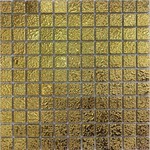
Mosaic Glass Tiles
Haitao is an professional manufactory for mosaic tiles in China. Our factorycover an area of more than 10000 square meters and own 4 manufacturing lines producing a variety of tiles in different sizes and molds. We have 5 production lines, two production bases, the production of a variety of different sizes and molds of ceramic tiles. Over the years with strong and stable production capacity for the world to provide quality products and after-sales service. One of the secrets of our cost-effectiveness is that we consistently produce tiles of the same size for each line. Our product categories include: Glass Mosaic, ceramic Mosaic, Gold Plated Mosaic, Stainless Steel Mosaic, Crystal glaze kiln ceramic Mosaic, stone Mosaic, shaped Mosaic, water knife Parquet, non-slip Mosaic, porcelain Mosaic, antique Mosaic and pool tile. The product size ranging from smallest 10mmx10mm to largest 50x300mm. Besides, we have 6000 square meters warehouse for stocking numerous regular items. We are not only an excellent choice for aboard wholesale importers, but also great for those who loves to try small quantities without MOQ
Why Choose Us?
Fast delivery
Huge production capacity to ensure in time delivery. Complete packaging to ensure products quality, and transport to the destination in the first time.
Rich experience
They have rich experience in all order process steps like packing, loading, transportation, insurance, and customs declaration.
24h online service
They have rich experience in all order process steps like packing, loading, transportation, insurance, and customs declaration.
Quality control
They are follows the principle of the International Swimming Federation (FINA), in accordance with the procedure of point to point quality inspection and control to assure superior product quality.
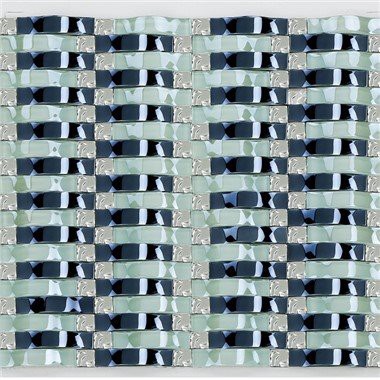


Glass tiles are created by heating sand and other chemicals, followed by rapid cooling, typically resulting in a transparent or translucent appearance.
Benefits of Mosaic Glass Tiles
Zero water absorption
Generally, glass tiles are impervious to water with a rate of 0% absorbance.
Timeless aesthetics
These tiles are available in endless translucence varieties that make up a beautiful, modern, and contemporary style.
Sustainability
These tiles are made of 100% recycled materials and they require half the energy during construction. Further, at the end of their lifecycle - they can be recycled again.
Visual energy
Mosaic tiles offer incredible visual glamor and pop when used in any room. The brilliant idea of reflected glass can be joined with lighting to give an alluring and remarkable component. These tiles are additionally accessible in numerous outwardly appealing structures like metallic shine and characteristic stones. The excellent enriching symbolism of Mosaic glass structures and their workmanship is helpful in an inside plan.
Durability
The glass tiles are likewise simple to clean since they don’t have the typical holes and crevices. They can be just cleaned by using a delicate towel and gentle cleanser to expel any oil or stains. Mosaic glass tiles are additionally non-permeable. It doesn’t give way to mold or fungus by any means.
Design adaptability
Another favorable position of these tiles is that they are flexible and adaptable in structures. They are accessible in a scope of material classifications, themed designs and hues. One may likewise decide to utilize these characteristic tiles to break dullness and make a room bright. The mix will make a gem-like look that is engaging the eye.
High-end look
Glass mosaic subway tile offers a top of the line look. Glass mosaics are sure to catch every eye with a look to stun. They’re substantially cleaner in look than normal stone, which is without a doubt why they regularly feel progressively extravagant. Certain shading blends and shapes can offer a creative expression, while brilliant and gleaming ends can cause unbiased tones to feel as bold as basic hues.
Uniqueness
Unique glass mosaic tiles are angled. Regardless of whether this is a result of how sharp they look or because they’re a new option in contrast to conventional decisions, uniqueness is their selling power. That is uplifting news in case you’re tidying up your kitchen for resale.
Easy to clean
Grout joints aside, the smooth surface of glass mosaics is basic to clean. It’s a snap to wipe down, and you don’t need to very particular with cleaning them as you do with normal stone. You can run into higher support with progressively many-sided styles that have abundant slots and crevices or blended materials, for example, stone and metal.
product type

Sintered glass
Sintered glass is produced using a hydraulic press. It’s obtained by pressing fine glass powder in molds that produce various shapes. A conveyor carries tiles into a tunnel kiln where tiles are heated at just below the softening temperature, 700 - 800 C. After the cooling cycle, the tiles take on the aspects and the characteristics of glass.
Float glas
Adopting high-performance integrated joints,the CRA series can increase the tempo by 25%,and the productivity can reach a new peak;the vibration suppression algorithm is upgraded to achieve a good anti-shaking effect;the full-parameter DH compensation algorithm and TrueMotion algorithm are supported,and the absolute positioning accuracy is 0.2 ~ 0.4 mm under the change of attitude movement,and the curved motion is precise and stable.


Cast glass
Cast glass is manufactured when crushed recycled glass, mineral oxides, other finish materials are loaded into furnace @ 2500°F and mixed. Glass pours through molds onto a conveyor and is pressed in another set of molds to obtain desired size/shapes. Finish or color materials can be added to create different finishes and colors. The tile then passes through an annealing kiln at carefully controlled temperatures to ensure the highest quality and durability.
How to Install Glass Tile
Because of its hardness and one-of-a-kind translucent quality, glass demands different tools and techniques from other materials for a successful installation process. To help you achieve a foolproof install, here are a few expert tips that you need to keep in mind when installing this type of tile.
Cutting glass tile seems pretty straightforward, but there are a few tools that can make the process much easier! We recommend using a diamond blade on an electric saw to make cleaner, more accurate cuts.
Choosing the right adhesive is critical to avoid installation challenges and unwanted spots that will show through the glass. As most tiles made from glass are see-through, make sure to choose a ‘glass adhesive’ that is white so that the background remains clear and there’s no effect on the glass color.
Drying requires a longer cure time, as glass is non-absorbing meaning adhesive must slowly evaporate through grout joints. Allow your adhesive to dry at least 36 to 48 hours before grouting.
Selecting the grout requires two considerations: grout color and material. Because your tile may be transparent, grout will be visible through all tiles. In that case, use white grout to minimize visibility. Regardless of tile color, choose an un-sanded cement grout instead of its sanded version, to avoid potential scratches on the glass surface.
By having these essential tiling tools to hand you can be well equipped to get your tiles up and secure and your job complete much easier and more accurately.
Tape measure: Measure twice, cut once
Spirit level: Not all worktops and surfaces will be flush, so ensuring your walls are level will provide a much more quality finish
Tile cutter: If you’re cutting glass tiles, make sure you use a glass blade or wet saw to avoid damaging your product
Utility knife: Mosaic tiles are often supplied with a mesh backing, which will need cutting to suit your application
Notched trowel: Important for applying the tile adhesive to your walls in a uniform way
Grout float: Often made of or lined with rubber, this float will help you apply grout to your tiles, allowing you to cover all gaps with ease
Sponge: Useful for cleaning any excess grout off your tiles and keeping them free from dirt and debris
Tile spacers: The key to ensuring a uniform look across your installation
Goggles & gloves: Keeping you protected from any sharp edges or errant tile debris
Application of Mosaic Glass Tiles
Backsplashes: Mosaic glass tiles are often used as backsplashes in kitchens and bathrooms. They can add a pop of color and visual interest to the space while also protecting the walls from moisture and stains.
Shower and bathroom walls: Mosaic glass tiles are a popular choice for shower walls and bathroom walls. They are water-resistant and easy to clean, making them ideal for wet areas. The reflective properties of glass tiles can also help to brighten up the space.
Flooring: Mosaic glass tiles can be used as flooring in certain areas, such as entryways, bathrooms, or accent areas. They can create a stunning visual effect and add a touch of luxury to the space.
Accent walls: Mosaic glass tiles can be used to create accent walls in various rooms, such as living rooms, bedrooms, or dining areas. They can be used to highlight a specific area or create a focal point in the room.
Artistic installations: Mosaic glass tiles are often used in artistic installations, such as murals, mosaics, or decorative patterns. They can be arranged in intricate designs to create stunning works of art.
Outdoor applications: Mosaic glass tiles can also be used in outdoor applications, such as pool areas, patio walls, or outdoor kitchens. It's important to choose mosaic glass tiles that are specifically designed for outdoor use to ensure durability and resistance to weather conditions.
How to Maintain Mosaic Glass Tiles
Regular cleaning
Regularly clean the mosaic glass tiles using a mild, non-abrasive cleaner and a soft cloth or sponge. Avoid using harsh chemicals or abrasive cleaners that can damage the glass surface.
Avoid scratching
Be careful when cleaning or moving objects on the mosaic glass tiles to avoid scratching the surface. Use soft cleaning tools and avoid dragging heavy objects across the tiles.
Sealing
Some mosaic glass tiles may require sealing to protect the surface and enhance their durability. Check the manufacturer's recommendations for sealing and follow the instructions accordingly.
Prevent stains
Wipe up spills and stains promptly to prevent them from penetrating the glass surface. Use a mild cleaner and a soft cloth to gently remove any stains.
Grout maintenance
Keep the grout lines between the mosaic glass tiles clean and in good condition. Regularly clean the grout using a grout cleaner and a small brush. If the grout becomes damaged or discolored, consider regrouting to maintain the overall appearance.
Avoid extreme temperatures
Mosaic glass tiles can withstand normal temperature fluctuations, but extreme heat or cold can potentially damage them. Avoid placing hot objects directly on the tiles and protect them from freezing temperatures if used in outdoor applications.
Avoid abrasive materials
When cleaning mosaic glass tiles, avoid using abrasive materials such as steel wool or abrasive scrub brushes, as they can scratch the glass surface.
Regular inspections
Periodically inspect the mosaic glass tiles for any signs of damage, such as cracks or chips. If any damage is found, repair or replace the affected tiles as soon as possible to prevent further issues.
Early History
Glass was used in mosaics as early as 2500 BC, but it was not until the 3rd century BC that innovative artisans in Greece, Persia, and India created glass tiles.
Whereas clay tile is dated as early as 8,000 BC, there were significant barriers to the development of glass tile, including the high temperatures required to melt glass and the complexities of annealing glass curves.
In recent years, glass tiles have become popular for both field tile and accent tiles. This trend can be attributed to recent technological breakthroughs,[example needed] as well as the tiles inherent properties; in particular, their potential to impart intense color, reflect light, and remain impervious to water.
Glass tile introduces complexities to the installer. Since glass is more rigid than ceramic or porcelain tile, glass tiles break more readily under the duress of substrate shifts.
Glass originated in Egyptian civilizations around 3000 B.C.. Before that time, most mosaics were composed of stone.
Glass is amorphous (non-crystalline) transparent / translucent and is produced by floating molten glass over a bed of a liquid tin, which has a low melting temperature.
Today’s commercial glass tiles are either sintered, float or cast. Sintered glass is produced using a hydraulic press. It’s obtained by pressing fine glass powder in molds that produce various shapes. A conveyor carries tiles into a tunnel kiln where tiles are heated at just below the softening temperature, 700 - 800 C. After the cooling cycle, the tiles take on the aspects and the characteristics of glass.
Float glass is made from a mixture of sand, limestone, soda ash, dolomite, iron oxide and salt cake which are heated to a temperature of 1500 degrees Celsius. A large continuous furnace produces glass slabs up to 5’x10.’ For workability, the glass is then cut into smaller 2’x4’ slabs. A color finish is applied to one side of the tile and passed through a curing kiln. The slabs are cut into various shapes and sizes and then go through a tunnel kiln to smooth the tile edges. Both large and small format tiles can be created with this process for mounted and unmounted use.
Cast glass is manufactured when crushed recycled glass, mineral oxides, other finish materials are loaded into furnace @ 2500°F and mixed. Glass pours through molds onto a conveyor and is pressed in another set of molds to obtain desired size/shapes. Finish or color materials can be added to create different finishes and colors. The tile then passes through an annealing kiln at carefully controlled temperatures to ensure the highest quality and durability.
The Best Grout for Glass Tiles
Consider Grout Maintenance
It’s worth noting that epoxy grout comes with a bit higher price tag than the traditional options. That’s not to say you should shop on price alone and ignore the benefits of epoxy options. Remember, cement-based grouts absorb moisture. This means you or a team of grout professionals will have to reseal the grout every two years.
Because epoxy grouts are non-porous, they require little maintenance. They may cost more than cement grout up front, but they more than make up for it over time. You can focus on how beautiful your glass tile looks and nothing else!
Grouting applications
In between each beautiful, unique tile, you need grout. Epoxy grouts are becoming popular for use with these tiles because of their longevity, strength, and relationship with the glass. These grouts have a chemical composition that resists both stains and breakdown. They are also non-porous and non-absorbent. Epoxy grouts also inhibit the growth of mold or mildew, a common occurrence with regular cement grout. That is precisely what you’re looking for in grout!
You don’t need to ignore the aesthetics of your home to get a fantastic grout option. Epoxy grouts come in a variety of colors. They can be mixed with additives to adjust hues or even create sparkles. These special grout colors and effects will not fade or change over time.
What to Do When Cutting Curves in Glass Tile
With a wet saw, make multiple straight cuts (approximately ⅜ inch apart), starting from the edge of the portion of the tile that you’re planning to discard, to the scored line, working perpendicular to the scored line. These cuts will result in narrow spokes of glass. As you near the edges of your curve, your straight cuts will shorten.
Mark your cut with a washable marker and score.
Draw the curved line on the glass tile in washable marker, then carefully pull the handheld glass scoring tool toward you along the marked guideline. Since you’ll likely be doing this freehand, without the equivalent of a straightedge to guide the tool, work slowly and precisely.
Snap off these glass spokes around the curved cut.
Snap off the skinny rows of glass one at a time using grozing pliers until you’re left with just the curved glass tile.
Smooth the edges before installation.
Smooth and polish the cut with a rubbing stone. Once you’ve wiped away the glass shavings and marker with a damp cloth, the tile is ready to be installed on your sleek new surface.
FAQ
Q: Is mosaic glass expensive?
Q: How durable is glass mosaic tile?
Q: Is glass tile hard to install?
Q: Why are my glass tiles cracking?
Q: Does glass tile need grout line?
Q: What is the best adhesive for glass tiles?
Q: Will glass tile go out of style?
Q: Should you back butter glass tile?
Q: Do you need spacers for glass tile?
Q: Does glass tile require special thinset?
Q: What happens if you use sanded grout on glass tile?
Q: How do you stick glass mosaic tiles?
Q: Can you install glass tile on drywall?
Q: Do you need edging with glass tile backsplash?
Q: What is the best mortar for glass tile backsplash?
Q: What kind of trowel for glass mosaic tile?
Q: Will power grout scratch glass tile?
Q: Can I use glass tile on shower walls?
Q: Can I use regular thinset for glass tiles?
Q: What kind of float should I use when grouting glass tile?