


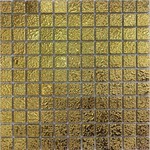
Ceramic Mosaic Tiles
Haitao is an professional manufactory for mosaic tiles in China. Our factorycover an area of more than 10000 square meters and own 4 manufacturing lines producing a variety of tiles in different sizes and molds. We have 5 production lines, two production bases, the production of a variety of different sizes and molds of ceramic tiles. Over the years with strong and stable production capacity for the world to provide quality products and after-sales service. One of the secrets of our cost-effectiveness is that we consistently produce tiles of the same size for each line. Our product categories include: Glass Mosaic, ceramic Mosaic, Gold Plated Mosaic, Stainless Steel Mosaic, Crystal glaze kiln ceramic Mosaic, stone Mosaic, shaped Mosaic, water knife Parquet, non-slip Mosaic, porcelain Mosaic, antique Mosaic and pool tile. The product size ranging from smallest 10mmx10mm to largest 50x300mm. Besides, we have 6000 square meters warehouse for stocking numerous regular items. We are not only an excellent choice for aboard wholesale importers, but also great for those who loves to try small quantities without MOQ
Why Choose Us?
Fast delivery
Huge production capacity to ensure in time delivery. Complete packaging to ensure products quality, and transport to the destination in the first time.
Rich experience
They have rich experience in all order process steps like packing, loading, transportation, insurance, and customs declaration.
24h online service
They have rich experience in all order process steps like packing, loading, transportation, insurance, and customs declaration.
Quality control
They are follows the principle of the International Swimming Federation (FINA), in accordance with the procedure of point to point quality inspection and control to assure superior product quality.


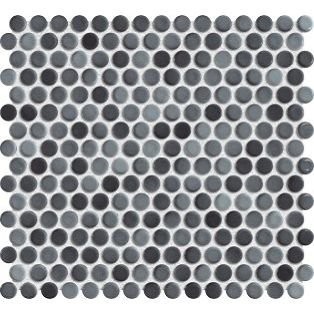
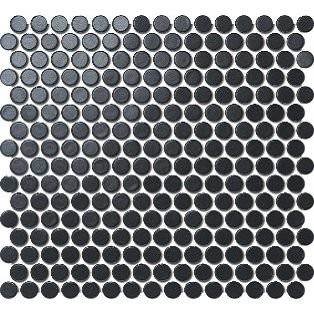


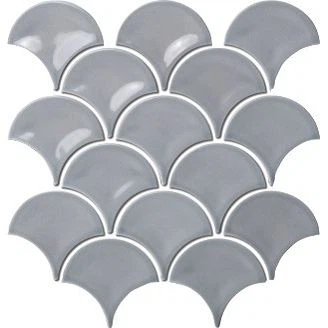

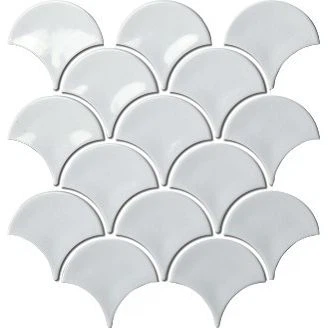

Ceramic mosaic tile is made of natural clay that is fired in a kiln and then is either glazed or unglazed to achieve different levels of durability and unique finishes. It is affordable, durable, and easy to design with. For those seeking a more hardwearing material, porcelain is the answer.
Benefits of Ceramic Mosaic Tiles
For centuries, mosaic tiles have been renowned for their profound beauty. Mosaic tiling will transform your bathroom, kitchen, or outdoor area from ordinary to elegant. With solid colour, multi-coloured and patterned tiles, the combinations you can create are endless. The design can be as simple or intricate as you wish. You’re only limited by the space available and your imagination.
Mosaic tiles are built to withstand severe damage. So, they’re certain to stand up to the demands of the average household. This means your tiles will maintain their pristine look for years to come. If you’re looking for a long-term investment, mosaic tiles are the right choice. While other tiles may need to be replaced after a few years, mosaics will last twice as long.
Mosaic tiles are made from handmade ceramic pieces. As such, these tiles are individually laid out. Then, they’re cut by hand to fit into place. This process ensures each tile is formed for the mosaic’s unique shape. To reflect this, each tile is hand-made. Relatively cheap and constructed from recycled materials, mosaic tiles are kind to the environment and cost-effective.
Cleaning mosaic tiles is an absolute breeze. The smooth, glossy surface ensures dirt and grime do not become trapped in small crevasses. When you notice dirt, simply wipe the tiles with warm, soapy water. This instantly removes the filth, restoring your tiles’ lustre and sheen. Mosaic is also mould and mildew-resistant and won’t stain easily.
Mosaic tiles are the preferred option among homeowners. The reason being, once installed, they require very little maintenance. They are water-resistant and stain-resistant, so they’re very easy to keep clean. To remove stains or dirt build-up, simply wash over the area with dishwashing detergent.
Another reason mosaic tiles are so popular is no pattern looks the same. With so many colours, patterns and textures to choose from, they’re as individual as you are. One of the most popular varieties is natural stone, including: marble, slate, travertine and quartz.
Contrary to popular belief, mosaic floors are easy to install. For an individual look, you can lay the tiles out using various patterns, colours and styles. And, as they are hand-cut, there’s no need for seamless edges. Whatever design you choose, the beauty of mosaic tiling is that it always looks intentional.
Types of Ceramic Mosaic Tiles
Glazed ceramic mosaic tiles
These tiles are covered with a layer of glaze during the firing process. The glaze adds a shiny finish to the tiles and makes them more durable.
Unglazed ceramic mosaic tiles
These tiles are not glazed and have a natural, earthy look. They are porous and require more maintenance than glazed tiles, but they are also more slip-resistant.
Porcelain ceramic mosaic tiles
Porcelain ceramic tiles are made from a mixture of finer clays and minerals. They are heated at a higher temperature than other types of ceramic tiles, which makes them more durable and resistant to wear and tear.
Terra cotta ceramic mosaic tiles
Terra cotta tiles are made from red or brown clay and are fired at a lower temperature than other types of ceramic tiles. They have a rustic, natural look and are often used in outdoor settings.
Hand-painted ceramic mosaic tiles
These tiles are decorated by hand with intricate designs or patterns. They can be glazed or unglazed and offer a unique, personalized touch to any mosaic project.
How Ceramic Tile is Made
Ceramic tile undergoes manufacturing processes to achieve specific characteristics. The process involves many steps, including these key elements:
Clays and other naturally occurring materials are typically collected within 500 miles of manufacturing facilities to reduce the energy and emissions that come from long-distance shipping.
Precision milling processes break down and refine the clay particles so that they can be compressed to a high degree, making ceramic tile dense and moisture-resistant.
Ceramic tiles are either dry-pressed or extruded into a shape. Dry pressing involves compressing a dry powder mixture in a steel mold at high pressure and then ejecting it, whereas extrusion involves forcing a wet mixture through a mold and then cutting it into shape.
It is fired at temperatures reaching as high as 2,500 degrees Fahrenheit. The result is a surface with a superior breaking strength that is highly resistant to moisture, stains, and scratches.
How to maintain Ceramic Mosaic Tiles
A soft brush vacuum attachment is an ideal option for a delicate daily cleaning routine that will eliminate any existing dirt and grit.
- Use warm & clean water with a dash of mild soap detergent.
- Regular water is the one of cheapest and most effective domestic cleaning product for your tiles.
- In case of a persistent stain do not hesitate to utilize a more heavy duty cleaning product as it will not damage the material.
- For a pet friendly environment, an excellent alternative of chemical cleansing product is: white vinegar mixed with a gallon of plain water.
- EA frequent change of water bucket for eliminating the “cloudy floor” effect.
You don’t want the beauty of your mosaic tile to be overshadowed by a dull grout, do you? Make sure that you don’t neglect the importance of the support system of your mosaic tiles which are obviously the grouts. By sealing your mosaic tiles, you will prevent the penetration of spills, dirt and most importantly mop water from soaking into the grout.
A: Make sure that following the installation of your ceramic mosaic tile a sealing procedure will take place.
B: Once or Twice annually is the ideal frequency of domestic sealing operations.
Mosaic Tiling On Walls And Floors: Practical Advice
The decoration of walls with mosaic is based on providing uniformity to the rooms, combining the colors and shapes of the coating with the rest of the furniture.
Although you can use any type of pattern, smooth surfaces tend to give greater homogeneity.
Regarding textures, if you want to add metallic or glass mosaics, you can combine them with smooth surfaces and achieve excellent results.
A piece of advice: do not leave an inch of your wall bare: think that this type of coating also helps to protect the walls from dirt, fumes and grease.
Establishing different patterns is always a good option if we want to cover the walls or floors of the kitchen or bathroom with mosaic.
Designs in two or three different colors are usually the most effective: in this way, we can create geometric shapes and play with light and shadow, adding more decorative value to the interior of the house.
Aesthetic uniformity is not at odds with the division of spaces. So you do not have to decorate the whole house with the same style of mosaic, or even with the same material. In fact, assigning colors, textures or materials by zones will help you define spaces visually, without the need to generate physical barriers.
One of the great advantages of mosaic tiling is the possibility of highlighting some elements that would otherwise go completely unnoticed in the decoration.
Even so, remember that mosaics are not always the center of the room: they can be a good complement for areas adjacent to the kitchen, such as the bar, or to provide greater emphasis in a particular corner, such as the shower or bathtub space.
Decorating walls and floors with mosaics should always be based on “less is more”. Integrating this type of proposal in the home can have good results, but requires a measured and appropriate use of this resource and an excellent combination of shapes, reliefs, materials, colors and textures.
Material of Ceramic Mosaic Tiles

Ceramic
To make ceramic tiles, natural clay is baked in a kiln. Typically, the clay is finished with a protective glaze to make the tile resistant to stains & moisture. This step ensures that ceramic tile can endure daily wear and tear in the kitchen or bathroom, making it a suitable choice for backsplashes, interior walls and floors which receive light foot traffic.

Porcelain
For those seeking a more hardwearing tile material, porcelain fits the bill. Consisting of a blend of feldspar, white clay and sand, porcelain is fired at a higher temperature than ceramic, making it significantly more dense & durable. Porcelain tile is appropriate for applications both inside and outside of the home, including walls, countertops and floors which receive heavy foot traffic.

Natural Stone
After they are quarried, natural stones such as marble, slate and granite may be cut into pieces of tile. Natural stone tile delivers a tranquil blend of color, texture & rustic charm, and many types are durable enough to be used for various applications – including flooring.
Application of Ceramic Mosaic Tiles
Interior flooring: Ceramic mosaic tiles are commonly used for flooring in residential and commercial spaces. They can be installed in various rooms such as kitchens, bathrooms, entryways, and living areas. Mosaic tiles offer a wide range of design options, including different colors, patterns, and textures, allowing for creative and unique flooring designs.
Wall coverings: Ceramic mosaic tiles are often used as wall coverings in bathrooms, kitchens, and other areas where moisture resistance is required. Mosaic tiles can create visually stunning accent walls, backsplashes, and shower surrounds. They can be arranged in different patterns and designs to add texture and visual interest to the space.
Swimming pools: Ceramic mosaic tiles are a popular choice for swimming pool finishes. They are resistant to water, chemicals, and UV rays, making them suitable for pool environments. Mosaic tiles can be used to create decorative patterns, borders, or even mosaic murals on the pool walls and floors.
Outdoor spaces: Ceramic mosaic tiles can be used to enhance outdoor spaces such as patios, balconies, and garden areas. They are durable and resistant to weather conditions, making them suitable for outdoor applications. Mosaic tiles can be used to create decorative pathways, accent walls, or even mosaic art installations in outdoor settings.
Art and decorative installations: Ceramic mosaic tiles are often used in art and decorative installations. Mosaic artists use these tiles to create intricate and detailed mosaic artworks, murals, and sculptures. Mosaic tiles can be arranged to form images, patterns, or abstract designs, adding a unique and artistic touch to any space.
Commercial spaces: Ceramic mosaic tiles are commonly used in commercial spaces such as hotels, restaurants, retail stores, and offices. They offer durability, easy maintenance, and a wide range of design options. Mosaic tiles can be used to create visually appealing feature walls, decorative columns, or even branded logos and signage.
The Astounding History of Mosaic Tile Art
Mosaic Tile Art is one of the earliest, and it was discovered in Mesopotamia. Back then, colored stones and shells were used to create patterns and pictures. The art form continued to be used throughout the ages in the Middle East, Europe, and pretty much everywhere else. Maps were made of stone tiles, and people from the Bible were depicted in mosaic forms. Mosaics were as intricate or simple as the artist wanted.
Today, mosaic tile art is still made into detailed images of people, places, and things, or they’re used to create patterns in courtyards, on tabletops, and as backsplashes in kitchens. The only real difference today is that many mosaics are being manufactured. There’s a debate as to whether these computer-created mosaics are still considered art, or even mosaics because they aren’t technically artisan.
How to Install Mosaic Tile
Plan the tile layout
Measure the length and the width of the room. Determine the halfway point and mark this on each of the four walls. Snap a chalk line in each direction to draw intersecting perpendicular layout lines.
Starting at the center of the tile field lets you install full sheets of mosaic tile until you reach the edges of the field. At the edges, cut the mosaic tile sheets to size.
Lay the first sheet of mosaic
At the center of the layout lines, spread thinset mortar with the square side of the notched trowel. Work in sections about 2 to 3 feet square. Press the mosaic tile sheet in the thinset.
Continue to lay tile sheets
Install adjoining mosaic sheets. Use tile spacers to ensure that gaps between sheets are the same as the gaps between tiles within the sheets. With mosaic sheets, the small tiles are staggered so the sheets interlock. Keep the grout seams uniform throughout the tile field.
Press the tiles
Press the mosaic tile sheets occasionally with a clean rubber tile float or with a small piece of wood (about 12 inches square). Do so gently to prevent squeezing thinset out.
Cut the tile sheets to fit
Approaching the borders, cut the tile sheets by cutting the fiberglass mesh backing.
Cut between the tiles
Cut the individual tiles
To cut individual mosaic tiles, use a wet tile saw, tile nipper, rail cutter, or hand-held angle grinder.
Wet tile saw: Slowly feed sheets of mosaic tiles through the wet saw in the same way larger tiles are cut.
Tile nipper: A tile nipper, which looks like a pair of modified pliers and can be used to nibble each tile square within the sheet.
Tile rail cutter: Use a rail cutter (or snap tile cutter) to score an entire row of tiles. Then, snap the tile apart. Do each tile by itself.
Grinder: Cut mosaic tiles with a 4-1/2 inch grinder fitted with a diamond wheel.
Complete the remaining quadrants
With one quadrant of the tile job done, repeat the preceding steps to complete the other three quadrants, one at a time. With each quadrant, work from the center point of the layout outward to the edges.
Install the trim tiles
Install trim or accent tile pieces like bullnose edging, cove tiles, or baseboard tiles. After all the tiles are installed, allow the installation to harden before grouting.
Mix the grout
Mix a batch of grout in a five-gallon bucket. Use unsanded grout for tiles with grout seams that are 1/8-inch or narrower. Use sanded grout where the seams are wider than 1/8-inch.1 Follow the manufacturer's directions for mixing.
Apply the grout
With the rubber float, spread the grout over the top of the tile. Force the grout into the joints by holding the float at a 45-degree angle to the surface. Alternate the direction of the grout float to ensure that the grout fills all joints.
Clean the tile
Allow the grout to harden slightly, according to the manufacturer's directions, then wipe the face of the tiles with a clean cloth to remove dried grout.
After the grout is fully cured, remove the remaining grout film with a liquid grout haze remover.
Seal the grout
Brush grout sealer on the grout after the grout has cured. Sanded tile grout must be sealed to protect the underlayment. With mosaic tiles and their many grout lines, it's easiest to apply sealer by brushing or rolling the entire surface. Wipe excess sealer from the surface.
FAQ
Q: Is mosaic tile the same as ceramic tile?
Q: Can you mosaic on ceramic?
Q: Why is mosaic so expensive?
Q: Is mosaic tile harder to install?
Q: Do you grout mosaic tiles?
Q: Which is costly mosaic or tiles?
Q: Are mosaic tiles waterproof?
Q: Can I mosaic on cement?
Q: Can you use normal tiles for mosaic?
Q: Is mosaic a glass or ceramic?
Q: Are mosaic tiles good or bad?
Q: Is mosaic good for floor?
Q: What tiles are best for mosaic?
Q: Why choose mosaic tiles?
Q: Are mosaic tiles durable?
Q: Should I seal mosaic tiles?
Q: Should grout be lighter or darker than tile?
Q: Are mosaic tiles still in fashion?
Q: Do you need mesh for mosaic tiles?
Q: Can I tile straight over concrete?