


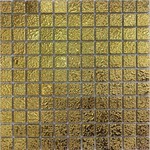
Art Glass Mosaic Tiles
Glass mosaic tiles come in a variety of shapes, sizes, colors & finishes. The vitreous nature of glass allows its use in both indoors and out. Whether you are looking to create a work of art, decorate a pot for the garden or redo your backsplash, glass tile offers flexibility to meet all of your needs.
Advantages of Art Glass Mosaic Tiles
Probably the biggest benefit of using mosaic glass in a flooring application is the beauty that can be achieved with a proper installation. You have a choice between solid and multicolored tiles, which can then be arranged in simple or intricate patterns. Some stores will also sell repeating patterns, which can be used to create complex pictures and designs.
Glass tiles are resistant to stains, mold, and mildew. They tend to show dirt very easily so you will always know when it's time to clean. They are resistant to chemical damage and they aren’t porous, so you don’t have to worry about grime sinking into the tile. They are also very easy to clean and can be wiped down with a damp cloth or mopped up with warm water. In the case of soap-scum buildup in a bathroom, a mild vinegar solution can be used.
It takes roughly half the energy to produce a glass tile as compared to a ceramic tile of similar size. You also have the option of using recycled glass tiles, which are made from reclaimed glass refuse.
All but the darkest glass tiles will tend to reflect light rather than absorb it. This can make the mosaic pieces seem to glow with a luminous radiance that you can’t find in any other flooring material.
As long as your glass tiles have passed the stringent ASTM standards required to be approved for use as a flooring material, they should be durable and resistant to cracking under anything less than a sharp direct force applied with a hard object such as a hammer. Scratches are another matter—glass tiles will scratch.
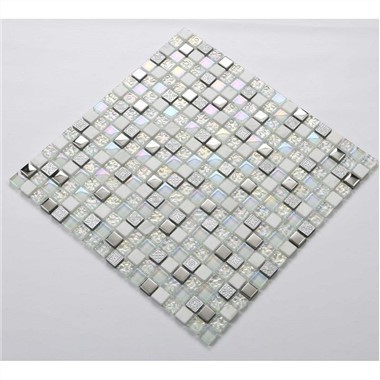


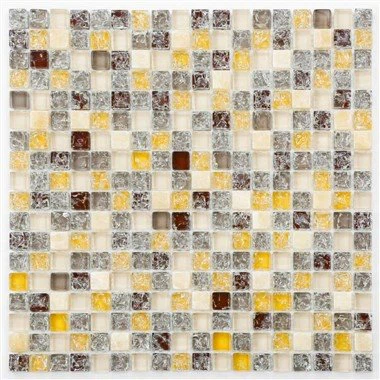
Why Choose Us
Customer Service
We firmly believe that we offer THE BEST customer support in the industry and it is our ongoing goal to continually improve on our services. As an independently owned and operated business, we are able to provide the most accommodating service possible.
Professional team
We have a team of skilled and experienced professionals who are well-versed in the latest technology and industry standards. Our team is dedicated to ensuring that our customers get the best service and support possible.
Competitive Prices
We offer our products at competitive prices, making them affordable for our customers. We believe that high-quality products should not come at a premium, and we strive to make our products accessible to all.
Rich experience
Has a long-standing reputation in the industry, which makes it stand out from its competitors. With over many years of experience, they have developed the skills necessary to meet their clients' needs.
Efficient and convenient
The company has established marketing networks around the world to provide high-quality services to customers in an efficient and convenient manner.
High quality products
We always put customer needs and expectations in the first place, refine on, continuous improvement, to seek every opportunity to do better, to provide customers with their expectations of quality products, to provide customers with the most satisfactory service at anytime.
Why Glass Mosaic Is Trending
Durability
Glass mosaic tiles are very durable and can withstand heavy traffic, making them suitable for use in high-traffic areas such as kitchen backsplashes, shower walls, and flooring.
Easy to clean
Glass mosaic tiles are non-porous, making them resistant to stains and easy to clean.
Versatility
Glass mosaic tiles come in a wide range of colors, sizes, and shapes, allowing for a lot of creativity in design.
Water-resistant
Glass mosaic tiles are resistant to water and moisture, making them suitable for use in wet areas such as showers and pools.
Eco-friendly
Glass mosaic tiles are made from recycled glass, making them an eco-friendly choice for home improvement projects.
Versatility
Glass mosaic tiles are available in a wide range of colors, sizes, and patterns, so you can easily find a style that suits your taste and decor.
Reflective surface
The shiny surface of glass mosaic tiles can reflect light, making a room feel brighter and more open.
Resale value
Glass mosaic tiles can add value to a home, making them a good investment for homeowners.
Easy to install
Glass mosaic tiles can be easily cut and installed using a wet saw or nipper tool.

The material of art glass mosaic tiles is primarily glass. These tiles are made from small pieces of glass that are carefully cut and shaped into various sizes and shapes. The glass used for art glass mosaic tiles is typically colored or stained to achieve a wide range of vibrant and translucent hues. The glass can be clear, opaque, or have a textured or iridescent surface, adding depth and visual interest to the tiles. Some art glass mosaic tiles may also incorporate other materials such as metallic foils or additives to create unique effects. The glass used in these tiles is often durable, resistant to stains and moisture, and can withstand the test of time when properly installed and maintained.
6 Uses of Artistic Mosaic Tiles
Kitchen
Glass mosaic tiles make your kitchen look bigger than regular opaque tiles. Especially if your kitchen is small, choosing a lighter-colored, more permeable mosaic glass tile will make the space feel larger because it reflects the most light.
Flooring
Mosaic tiles can withstand heavy foot traffic and extreme weather without causing serious damage. Compared to other floor coverings such as carpets and rugs, the aesthetic flexibility of mosaic tiles allows them to reproduce an elegant design while still being easy to clean.
Furniture
Create a permanent centerpiece for a monotonous old table by putting ceramic mosaic tiles together in your design, and you don't have to worry about hot plates or spills damaging it because it effectively resists heat.
Artwork
Mosaic tile artwork can create beautiful, unique decorations for your home. Using mosaic tiles is a great way to add sophistication and interest to an object or room.
Bathroom
Glass tile is a natural choice for bathrooms and is considered the quintessential bathroom surface because it's waterproof and available in a wide range of beautiful colors and patterns. Your shower will appear larger. The shimmering glass will illuminate the bathroom in wonderful shades, ideal for accent walls, floors, and tubs. And glass tiles are relatively low maintenance - all you need to keep them clean is a cleaner and a rag.
Outdoor
Use mosaic tiles to liven up your garden, patio, or pool area. Attach small, bright mosaic tiles to your everyday planters and let the colors set off what's inside. Turn your patio into an artistic canvas that incorporates different patterns and designs. By adding pictures of mosaic tiles featuring sea life at the bottom of your pool, the rippling water interacts with the design at the bottom to create the illusion of underwater creatures on the move.
A Few Simple Steps to Teach You How to Apply Glass
Brush glue is the key to paving a good glass mosaic, ready to mix in accordance with the proportion of strong tile glue, using a plastering knife to apply tile glue on the wall, pay attention to the amount of application can not be too much. First apply the glue on the wall, then use a smooth plastering knife to apply the glue until even, the general thickness of the glue is about 20mm can be. Note that the mixing of good mosaic adhesive slurry should be controlled according to weather conditions in 2-3 small is used up.
After brushing the glue, the glass mosaic in accordance with the drawings aligned seam paving, with a plaster knife or putty shovel will be glass mosaic paste tight, or with a flat thick wooden board pad on the surface of the glass mosaic, to rubber hammer evenly knocked to ensure that the paste firmly. As each small piece of glass mosaic with a net to fix, so stick on the wall, the glue seeped into each tiny grid to achieve a fixed effect.
After tiling a certain range of glass mosaic, check the paving situation. First of all, the gap between the tile and the brick must be determined as a uniform width, so that it depends on the use of a small grey shovel to adjust the grey joints, which is the process of paving glass mosaic in the process requires the most patience, but in the process of paving work is the most important link. In addition, the paving of a good glass mosaic to check the gap, will fall off the small pieces of glass mosaic to fill.
After inspection, when the moisture is moderately dry and with the initial strength, to start hooking, prepare the required caulking, with a plastering knife will be hooked into the glass mosaic gap, pay attention to each scraping slurry area of no more than 2 square metres. Apply the caulking evenly to the surface of the glass mosaic, making sure that all the joints are completely filled and that there is no excess residue. Take care to gently dry the surface of the glass mosaic with a damp cloth within 20-25 minutes after caulking.
The primary component of art glass mosaic tiles is glass. It can be transparent, translucent, or opaque, and comes in a variety of colors and finishes. The glass used in mosaic tiles is specially manufactured to be durable and resistant to breakage. To achieve a wide range of colors, pigments are added to the glass during the manufacturing process. These pigments can be organic or inorganic and are responsible for the vibrant hues seen in art glass mosaic tiles.
Some art glass mosaic tiles incorporate metallic foils or leafing to create a reflective or shimmering effect. These foils are typically made of thin sheets of metal, such as gold or silver, and are applied to the surface of the glass. Art glass mosaic tiles can have various textures, such as smooth, textured, or iridescent. Texturing techniques, such as acid etching or sandblasting, are used to create these different surface finishes, adding depth and visual interest to the tiles.
To install art glass mosaic tiles, an adhesive is used to bond the tiles to the desired surface. The adhesive is typically a thinset mortar or a specialized mosaic adhesive that provides a strong and durable bond. Once the art glass mosaic tiles are installed, grout is used to fill the gaps between the tiles. Grout helps to secure the tiles in place, provides a finished look, and prevents moisture from seeping behind the tiles.

How Should a Glass Mosaic Be Maintaine
After tiling to clean up When the bonding layer and hooking mortar final condensation, you can start cleaning the surface of the glass mosaic. Glass mosaic tile maintenance cleaning work requires the preparation of two buckets, one containing new cleaning agent, one containing clean water, first in the bucket containing cleaning agent wet rag, do not wring dry, and then wipe the glass mosaic surface in a circular manner: then in the second bucket containing a clean wet sponge, then wipe the glass mosaic surface with a sponge, wipe away all the residue. Finally, once again with a sponge to wipe the surface until clean.
After tiling to check the details After all the walls are paved, the final condensation of the bonding layer, after the completion of hooking, and then do a check, will be left in the seam of the floating sand available clean damp soft brush gently bring out, beyond the m ci strip compartment joints to use 1: 1 cement mortar hook strict hook flat, and then wipe clean with a cloth, when the bonding layer and hooking mortar final condensation after cleaning.
Paving after good ventilation work Glass mosaic tiling is completed, pay attention to the protection of the finished product, can be properly air-dried. Glass mosaic tile maintenance one thing to note is that the surface layer in the just paved should avoid sun exposure, indoor appropriate ventilation, has been maintained until about 24 hours after delivery, the general post-care of paving glass mosaic should be no less than 7 days.
Tile, mosaic ground to avoid heavy objects on the ground.
Cleaning and maintenance available general detergents, such as decontamination powder, laundry detergent, etc., heavy dirt can also be used to clean toilet agent washing.
How To Choose Glass Mosaic
Purpose and Location
Glass mosaic tiles can be used in different areas of a home or building, including kitchen backsplashes, bathroom walls and floors, swimming pools, and accent walls. The purpose and location of the project will help you determine the best type of glass mosaic to use. For example, a bathroom floor may require a slip-resistant surface, while a kitchen backsplash may need to withstand heat and moisture. In addition, consider the level of foot traffic and the frequency of cleaning when selecting the tiles.
Size
Glass mosaic tiles come in different sizes, from tiny 1x1 inch tiles to larger 12x12 inch tiles. The size of the tiles can affect the overall look and feel of the space. Smaller tiles can create intricate designs and patterns, while larger tiles can create a more streamlined and modern look. Consider the size of the space and the desired aesthetic when choosing the tile size.
Color and Style
Glass mosaic tiles come in a variety of colors, ranging from bold and bright to soft and subtle. Consider the color scheme of the room or space when selecting the tile color. You can choose a color that complements or contrasts with the surrounding colors. In addition, glass mosaic tiles can have different finishes, such as glossy, matte, or iridescent. Choose a finish that enhances the desired style of the space.
Material
Glass mosaic tiles are made from different materials, such as recycled glass, fused glass, or stained glass. The material can affect the durability, texture, and overall appearance of the tiles. Recycled glass tiles are eco-friendly and come in a variety of colors and finishes. Fused glass tiles are made by fusing layers of glass together, creating a unique texture and depth. Stained glass tiles have a translucent quality and can add a colorful, artistic touch to a space.
Installation
Glass mosaic tiles can be installed in a variety of ways, such as in a grid pattern, staggered pattern, or herringbone pattern. The installation pattern can affect the overall look and feel of the space. In addition, consider the difficulty level of the installation process. Some glass mosaic tiles may require special tools or adhesives, while others can be easily installed with standard materials.
Budget
Glass mosaic tiles can vary in price, depending on the size, material, and brand. Consider your budget when selecting the tiles, and look for options that provide the best value for your money. You can also look for sales or discounts to save money on your tile purchase.
Maintenance
Glass mosaic tiles are generally easy to clean and maintain, but some materials may require more upkeep than others. Consider the level of maintenance required for the specific glass mosaic tiles you are considering. Some tiles may require sealing, while others may be more resistant to stains and damage.

There are a few special considerations to keep in mind when installing artistic glass mosaic tiles on your floor. Make sure the subfloor is level and stable to prevent any unevenness or instability when completing the installation. Choose adhesives and grouts specifically designed for flooring applications, as these products will provide better bonding and support for the tiles. Consider the slip resistance of tiles, especially if they are used in areas where people walk barefoot or in wet conditions. Some types of glass tiles may be slipperier than others, so it's important to choose a product with good traction and safety.
How to Cut Glass Mosaic Tiles
Rectangles
This cut demonstrates the basics of cutting a glass tile. The wheels are positioned along the line you wish to cut and even pressure is applied. Cupping you hand around the tile will help prevent tile shards from going flying.
Square Cut
If you are cutting 2 cm tiles this cut will produce tiles that are approximately 1 cm squared. The tiles are cut into rectangles and in half again.
Diagonal Cut (Triangles)
Cutting the tiles on a diagonal will create triangles, cut them in half again if you are after smaller ones.
Cutting Perpendicular to the Ridges
Most glass mosaic tiles have ridges on the underside of the tile to assist with adhesion, with the pattern of the ridges varying with different manufacturers. The ridges can interfere with the cutting of the tile as the wheels can slip when pressure is applied. To avoid this, cut your tile on a line that is perpendicular to the ridges. Cutting tiles with the ridges facing you can help with the placement of the wheels.
Curved Cut
Cutting curves with the edge facing outwards is easy with wheeled nippers, simply make a series of small nips along the line you wish to cut. Once cut you can make some smaller nips to tidy up any uneven bits. Inside curves are difficult with wheeled nippers. If your use to glass cutting you could score the surface and use grozing pliers to obtain the cut.
Circle Cut
Circle cuts are made using the same technique as the curved cut; you simply keep rotating the tile, making small nips as you go until you've completed the entire circle. You can them repeat the process to clean up and rough pieces of tile. The trick here is to only make small nips; don't be tempted to take too much tile off in one cut.
Haitao is an professional manufactory for mosaic tiles in China. Our factorycover an area of more than 10000 square meters and own 4 manufacturing lines producing a variety of tiles in different sizes and molds. We have 5 production lines, two production bases, the production of a variety of different sizes and molds of ceramic tiles.

FAQ
Q: What types of glass are used for mosaics?
Q: How are Art Glass Mosaic Tiles made?
Q: What are the advantages of using art glass tiles?
Q: Can I install Art Glass Mosaic Tiles myself?
Q: Are Art Glass Mosaic Tiles suitable for outdoor use?
Q: How do I choose the right color for my artistic glass mosaic tile project?
Q: Can Art Glass Mosaic Tiles be customized?
Q: What adhesives are recommended for glass mosaics?
Q: How do I maintain Art Glass Mosaic Tiles?
Q: Can I create my own mosaic design?
Q: What is the difference between machine-cut and hand-cut tiles?
Q: What are the most popular tile shapes?
Q: Do Art Glass Mosaic Tiles come in different finishes?
Q: How do I grout Art Glass Mosaic Tiles?
Q: Are there eco-friendly options for Art Glass Mosaic Tiles?
Q: How do I determine the quantity needed for my project?
Q: What is the typical lifespan of Art Glass Mosaic Tiles?
Q: Can Art Glass Mosaic Tiles be used in showers?
Q: How do I choose between clear and opaque glass tiles?
Q: Can I mix different types of glass in the same mosaic?